Custom Orthotics Melbourne
Definition
Foot orthotics (orthoses) are shoe inserts designed to support the natural shape of your foot, improve alignment and function, and help redistribute pressure across the foot during walking and running.
Custom orthotics are not necessary for everyone — they are most useful when prescribed for a specific foot or lower-limb problem after assessment.
Symptoms they can help
Arch or heel pain (plantar fasciitis), forefoot pain (metatarsalgia/plantar plate irritation), shin or knee overload, and callus/corn build-up from high-pressure areas. Orthotics can also assist with recurrent ankle strain and fatigue from prolonged standing.
Causes of pain/overload
- Foot mechanics such as over-pronation or very high arches
- Toe deformities or bunions that alter pressure points
- Training volume spikes; long hours on hard surfaces
- Ill-fitting or unsupportive footwear
Who may benefit?
- People with plantar fasciitis, metatarsalgia or recurrent forefoot/heel pain
- Those with flat feet or high arches needing alignment support
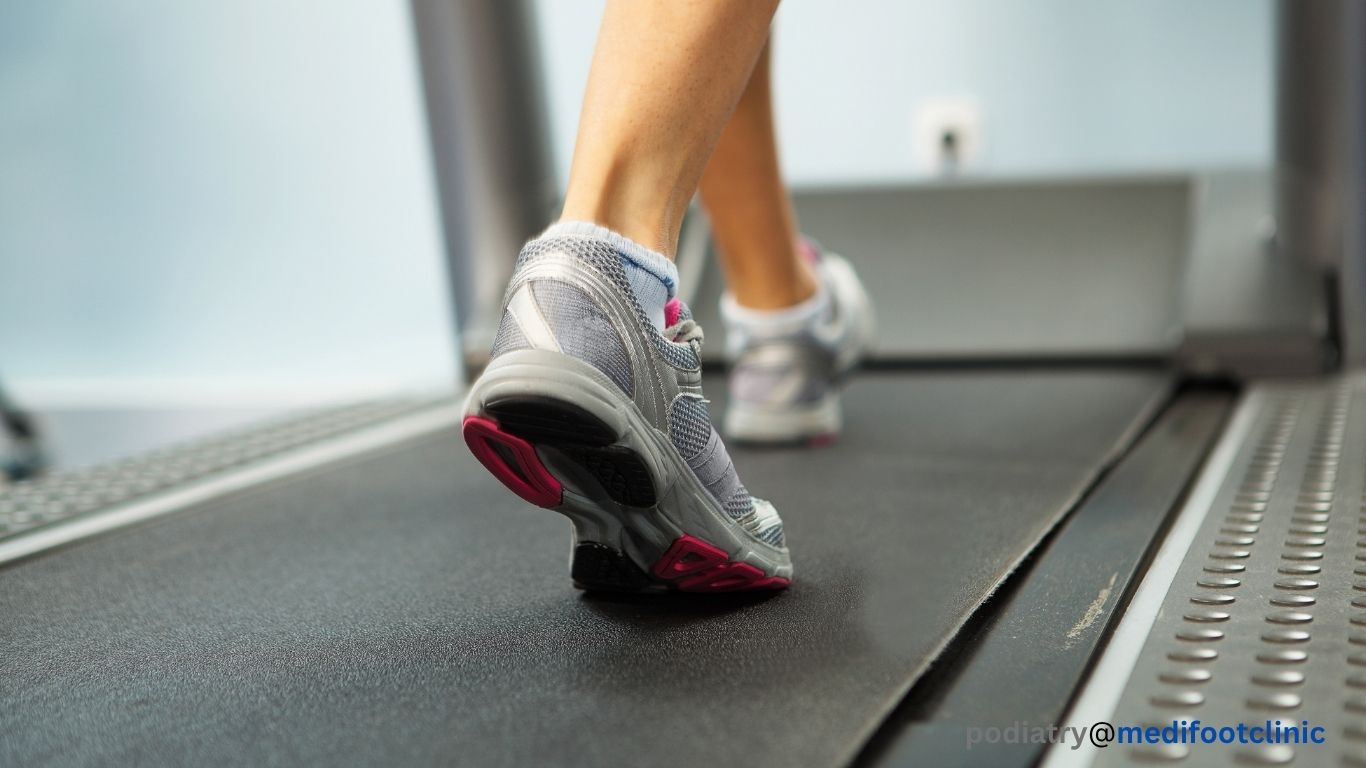
- Workers on their feet all day; runners and active walkers
- Children with symptomatic flat feet or activity-related foot pain
In short:
- Not everyone with foot pain needs orthotics
- Custom orthotics are most useful when prescribed for a specific mechanical problem
- Off-the-shelf insoles may be enough for mild or early-stage issues
- Cost varies, but value depends on assessment, design, and follow-up
- A second opinion is reasonable if you have been quoted elsewhere
Risks
Poorly matched or worn-out inserts can be uncomfortable or ineffective. Review and adjustments may be required as activity levels, footwear, or symptoms change.
- Initial adaptation soreness (usually settles with a gradual wear-in)
- Hotspots if footwear is too tight or orthotic isn't tuned
- Reduced benefit when used in heavily worn shoes
Prevention
- Choose supportive footwear with adequate width and cushioning
- Progress training loads gradually and include calf/foot strengthening
- Replace worn shoes and review orthotics periodically
Do I need orthotics?
Not everyone with foot pain needs orthotics. For many people, the right footwear, a targeted exercise programme, or load management is enough to resolve the problem without any additional devices.
Whether orthotics are appropriate depends on your foot mechanics, footwear, activity demands, and overall health — not self-diagnosis. A proper assessment will identify whether orthotics are the right option, or whether something else will work better.
Are custom orthotics worth it?
Custom orthotics are most worthwhile when they are prescribed for a specific, identified mechanical problem. The same device, prescribed without a thorough assessment, may offer little benefit.
Their value depends on several factors:
- Accurate diagnosis — orthotics work best when the underlying mechanical problem is clearly identified
- Prescription quality — the design, material, and posting need to match your foot type and the loads you place on it
- Footwear compatibility — an orthotic fitted to the wrong shoe provides limited benefit
- Follow-up and adjustment — fine-tuning after an initial wear period is often what makes the difference between comfortable and not
With over 15 years of clinical experience, our podiatrists understand when orthotics genuinely add value and when simpler solutions are more appropriate. That experience — knowing what to prescribe and equally knowing what not to prescribe — is what makes the difference to outcomes.
Custom orthotics vs off-the-shelf insoles
Off-the-shelf insoles can be enough for mild or early-stage problems. Custom orthotics are more appropriate when support needs to be precise — made from a cast or scan of your individual foot and designed around your specific mechanics, footwear, and clinical needs.
| Feature | Custom Orthotics | Off-the-Shelf Insoles |
|---|---|---|
| Fit | Made to your foot shape | Generic sizing |
| Clinical precision | Specific to your mechanics and diagnosis | General support or cushioning |
| Use case | Complex mechanics, persistent symptoms, structural issues | Mild symptoms, comfort, footwear padding |
| Lifespan | Typically 2–5 years with care | Usually 6–12 months |
| Cost | Higher upfront; health fund rebates often apply | Lower upfront; no rebate |
Off-the-shelf insoles are a reasonable starting point for mild or early-stage problems. In many cases, a podiatrist will trial prefabricated options before recommending custom devices. We will always recommend the option that is clinically appropriate — not the most expensive one.
Cost, value and rebates
Custom orthotic costs in Melbourne vary depending on the complexity of the assessment, the device design, and whether follow-up appointments are included. At Medifoot, pricing covers the full clinical process — gait analysis, casting, fitting, and review — not just the device itself.
As a clinic in Melbourne's northern suburbs (Craigieburn and Gladstone Park), our fees reflect fair value for local families and workers, without the overheads of an inner-city practice.
- Private health extras: Most health funds with podiatry cover include custom orthotics. Rebate amounts vary by fund and level of cover. We process HICAPS on the spot.
- Medicare: Custom orthotics are not covered under standard Medicare, but a GP-managed care plan may allow a Medicare rebate on the assessment itself.
- Second pair: Some patients want a second pair of orthotics to move between different shoes — for example, work boots and runners. Where clinically appropriate, we offer a discount on a second pair prescribed at the same time.
We are happy to discuss costs transparently at your appointment so there are no surprises.
When orthotics may not be the right solution
Orthotics are not always the answer. In some cases, simpler or different treatment is more appropriate — and an experienced podiatrist will tell you so. Situations where orthotics are unlikely to help significantly include:
- Pain from footwear, not mechanics: If symptoms are driven by ill-fitting shoes, changing footwear is the appropriate first step — not adding an insert
- Conditions that respond to exercise: Some presentations of plantar fasciitis, Achilles tendinopathy, and shin pain resolve well with a targeted strengthening and load management programme
- Acute injuries: A fresh sprain or stress fracture needs a different management approach — orthotics may feature in later rehabilitation, but are not the immediate priority
- Conditions requiring medical or surgical management: Orthotics cannot correct structural deformities beyond a certain threshold and are not a substitute for surgery where it is indicated
- Footwear that cannot accommodate an insert: Certain shoe types — thin soled, narrow, or high fashion — cannot carry a functional orthotic effectively
Unsure about a previous orthotics recommendation?
It is reasonable to seek a second opinion before committing to custom orthotics. If you were quoted elsewhere and are not sure the recommendation was right for your situation, a fresh assessment can give you clarity.
Common concerns patients bring to us include:
- “I was told I need orthotics but I'm not sure why”
- “My previous orthotics didn't really help — would a new pair be different?”
- “I want to understand what I'm paying for before I commit”
These are fair questions. A good podiatry assessment should clearly explain what is driving your symptoms, why orthotics are or are not being recommended, and what you can expect from them.
If you would like a second opinion on a previous recommendation — or simply want to understand your options before deciding — we are happy to provide an honest, evidence-based assessment.
We will give you a clear picture of what is going on and what we recommend.
Treatment
- Comprehensive assessment of foot mechanics and pressure points
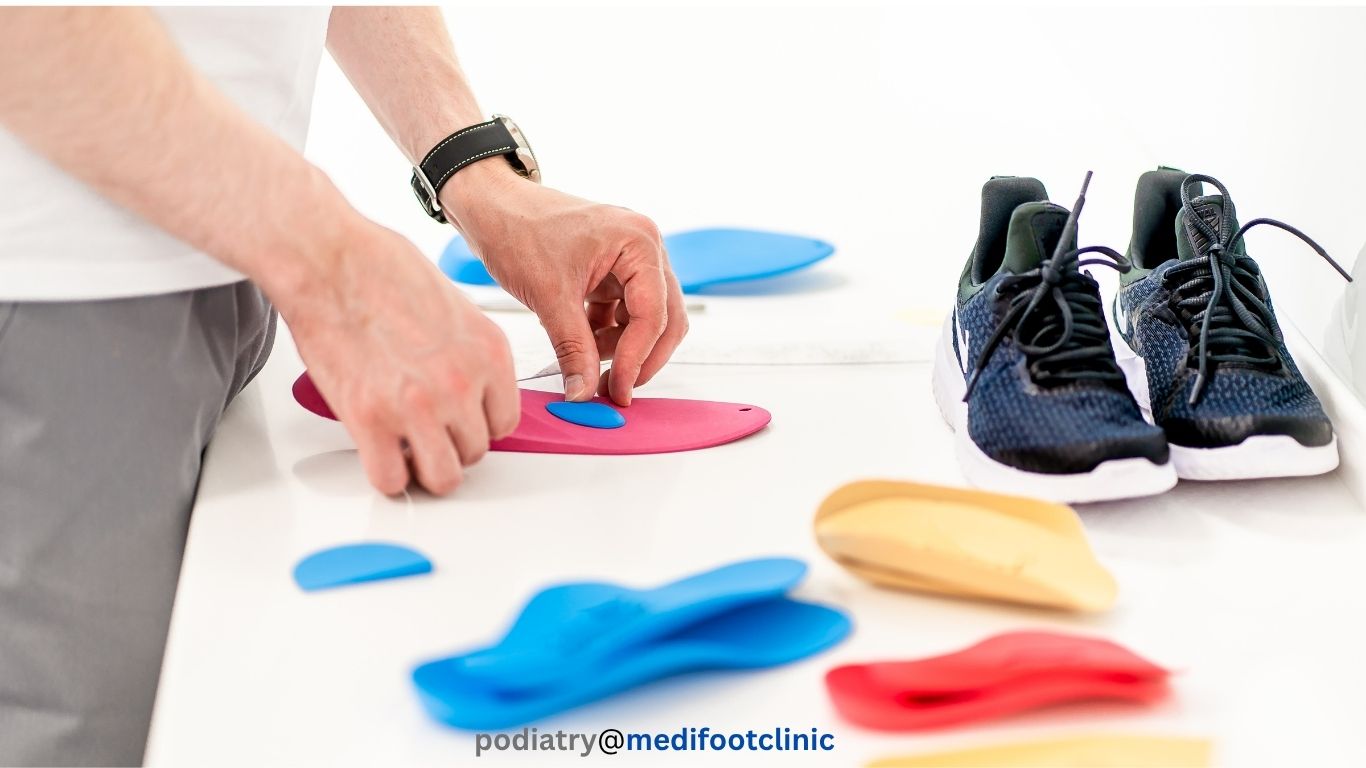
- Prescription orthotics (custom or prefabricated) to off-load and support
- Footwear advice and activity/load modification as needed
- Follow-up to adjust posting, padding or top-covers for best comfort
If you're dealing with persistent foot pain, orthotics combined with the right footwear and a graded activity plan can help you return to comfortable movement.