Plantar Wart Treatment
Plantar warts are skin lesions that appear on the sole of the foot and can sometimes become painful when walking or standing. Some remain small and mild, while others become stubborn, spread or start to feel like you are stepping on something. At MediFoot Clinic, we assess plantar warts carefully and help patients understand what they are dealing with, how to manage them and when treatment is worthwhile.
What is a plantar wart?
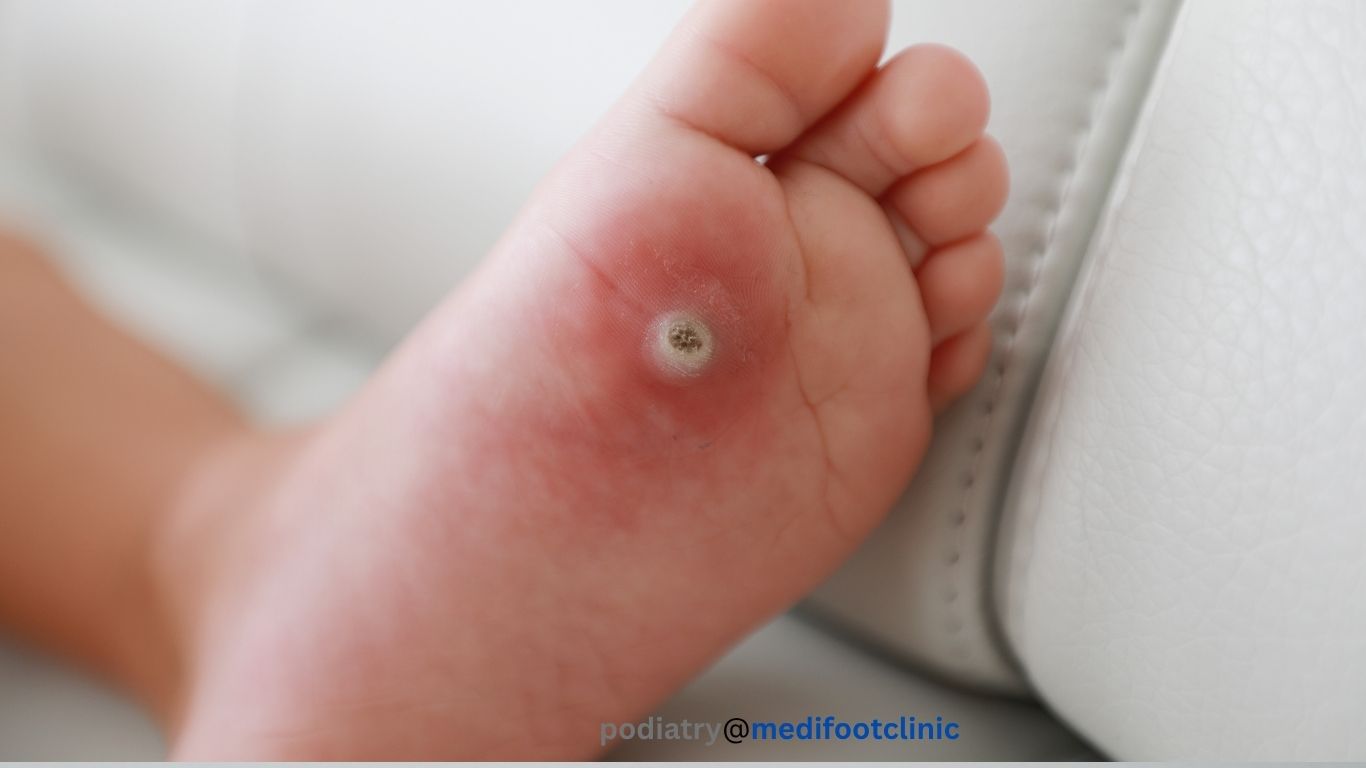
A plantar wart is a wart that develops on the bottom of the foot. It is caused by a viral infection in the outer layer of the skin. Because it sits in a weight-bearing area, it often gets pushed inward rather than outward, which is why it can feel sore under pressure.
Common signs and symptoms
- A rough lesion on the sole of the foot
- Pain or tenderness when walking or standing
- A lesion that interrupts normal skin lines
- Small black dots within the lesion
- A lesion that feels like stepping on a grain or pebble
- Single or multiple clustered lesions
Why plantar warts can be confusing
Plantar warts are often mistaken for calluses or corns because they can also appear in pressure areas. A wart may look like a patch of hard skin, but the structure and cause are different. If the lesion is painful or you are unsure what it is, assessment is helpful. You may also want to compare this with our corns and calluses page.
How plantar warts spread
Plantar warts are caused by a virus that enters through tiny breaks in the skin. They are more likely to spread in damp communal environments such as pools, change rooms and shared shower areas. Some people are more prone to them than others, and children often get them more commonly than adults.
When treatment is worth considering
Not every plantar wart needs aggressive treatment straight away. Some are mild and may settle over time. Treatment becomes more worthwhile when the wart is painful, persistent, spreading, interfering with walking or causing repeated concern.
Treatment for plantar warts
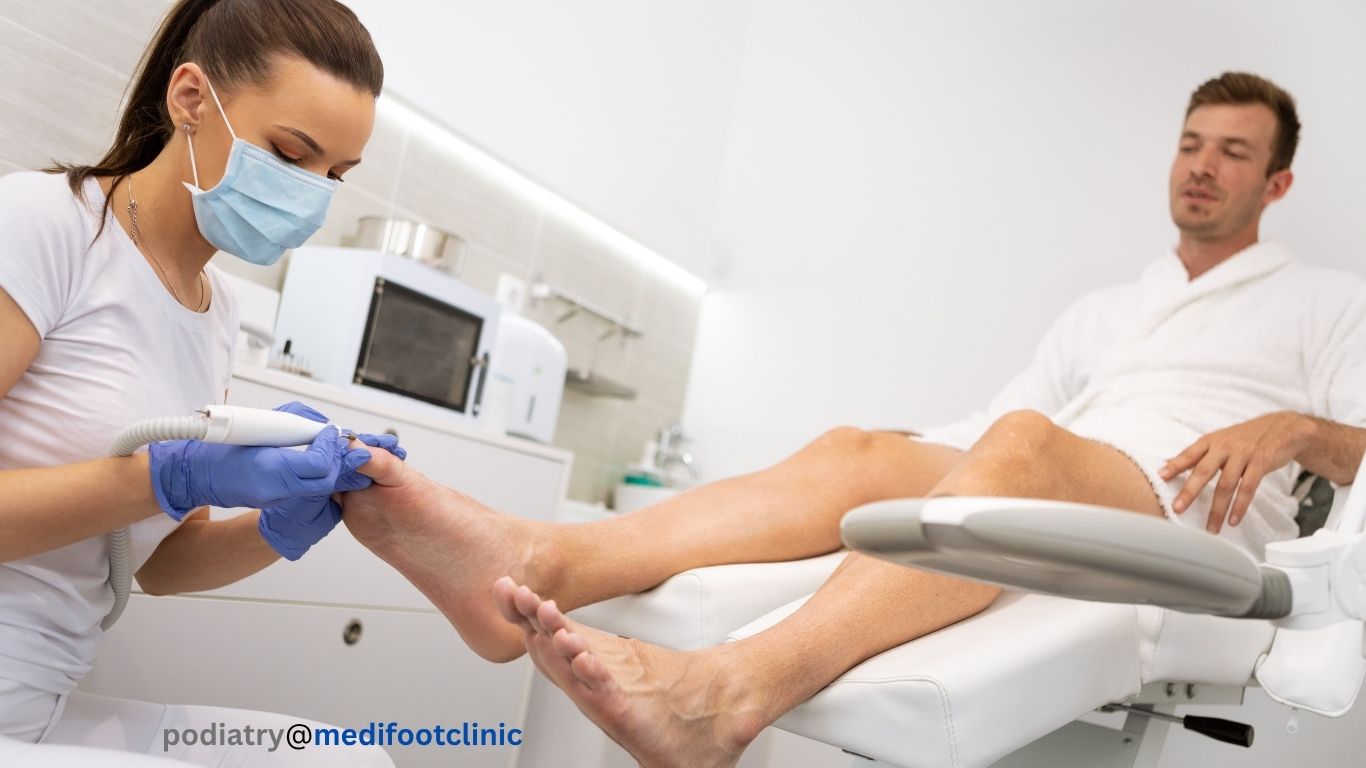
Treatment depends on the size, depth, location and number of lesions, as well as how painful they are. At MediFoot Clinic, we assess the wart, look at the surrounding pressure area and help guide you on the most suitable management approach. Treatment may include advice on monitoring, pressure reduction, lesion care and when further treatment is appropriate.
When plantar warts need checking
It is worth getting a plantar wart checked when it is painful, keeps growing, starts spreading, becomes difficult to identify or keeps returning. It is also sensible to get it checked if the lesion is on a child’s foot, especially when walking comfort is affected.
Plantar wart treatment in Craigieburn and Gladstone Park
MediFoot Clinic helps patients in Craigieburn, Gladstone Park and surrounding northern Melbourne suburbs with plantar warts, pressure-related skin lesions and painful spots on the sole of the foot. Many patients come in unsure whether they have a wart, corn or callus, so proper diagnosis is often the first important step.
Frequently Asked Questions About Plantar Warts
Are plantar warts contagious?
They can spread through contact with contaminated surfaces, especially in damp communal environments such as pools and change rooms.
Do plantar warts always hurt?
No. Some are painless, while others become tender because they sit in a weight-bearing area on the sole of the foot.
Can a plantar wart look like a callus?
Yes. Plantar warts are often confused with calluses or corns, which is why assessment can be useful.
Do plantar warts go away on their own?
Some do over time, but others persist, spread or become painful enough that treatment becomes worthwhile.
Are plantar warts common in children?
Yes. Children and teenagers often develop plantar warts more commonly than adults.
Related Skin & Nail Pages
Need Help With a Painful Spot on the Sole of Your Foot?
If you think you may have a plantar wart, or you are unsure whether it is a wart, corn or callus, MediFoot Clinic can assess it and help you move forward with a practical treatment plan.