Is Your Bunion Getting Worse?
Many people live with a bunion for years before it starts becoming more obvious, more painful, or harder to manage in normal shoes. If your bunion seems to be getting worse, it is worth understanding what may be changing and what treatment options may help. At Medifoot Clinic, we help patients in Craigieburn, Gladstone Park, and surrounding Melbourne areas assess bunion progression and practical next steps.
For a broader overview of bunion causes and treatment, see our bunions page.
What does it mean if a bunion is getting worse?
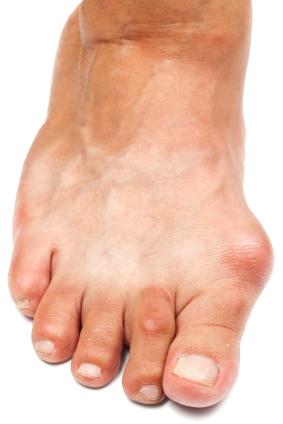
A bunion may be getting worse if the big toe is drifting further toward the smaller toes, the joint is becoming more prominent, shoe fit is becoming harder, or pain and pressure are becoming more frequent. In some people, the change is slow. In others, it becomes obvious over a shorter period.
Signs your bunion may be progressing
- The bump at the big toe joint looks more prominent than before
- The big toe is pushing closer toward the second toe
- Shoes that used to fit now feel tight across the forefoot
- You are getting more rubbing, redness, or swelling
- Nearby toes are starting to crowd, rub, or change position
- Pain is becoming more regular during walking or standing
Why can a bunion get worse over time?
- Ongoing pressure from narrow or restrictive footwear
- Inherited foot shape or biomechanics
- Progressive joint misalignment over time
- Increased loading through the forefoot during walking
- Inflammatory conditions affecting the joint
Worried your bunion is getting worse?
Early guidance may help reduce pressure and make the problem easier to manage.
What can happen if progression is ignored?
- More difficulty finding comfortable footwear
- Greater rubbing and irritation over the bunion
- Crowding or clawing of nearby toes
- Calluses and pressure areas developing elsewhere in the foot
- Reduced comfort during work, walking, or exercise
Safe things to try early
- Move into shoes with a wider and more supportive forefoot fit
- Avoid shoes that press directly on the joint
- Reduce aggravating activity during painful flare-ups
- Use simple protective padding where rubbing is the main issue
- Get the foot assessed before the problem becomes harder to manage

How we assess a worsening bunion at Medifoot Clinic
We look at how the bunion has changed, what symptoms are increasing, what shoes you are wearing, how the foot is functioning, and whether nearby toes or pressure points are starting to be affected. This helps work out whether the main issue is progression of the deformity, shoe pressure, joint irritation, or a combination of factors.
The goal is to help you understand what is actually changing and what treatment options may be appropriate now.
Treatment options
- Footwear advice to reduce pressure and improve fit
- Padding or protection for irritated areas
- Orthotic assessment where mechanics are contributing
- Advice on activity modification if symptoms are flaring
- Monitoring progression and nearby toe involvement
- Referral for surgical opinion when conservative options are no longer enough
Treatment depends on whether the bunion is mainly causing shoe pressure, local pain, progressive deformity, or secondary problems in nearby toes.
When to see a podiatrist
- If the bunion looks visibly more prominent than before
- If the big toe is moving closer toward the second toe
- If shoes are becoming harder to fit comfortably
- If pain, redness, or swelling are becoming more frequent
- If nearby toes are starting to rub or change position
Bunion assessment in Craigieburn & Gladstone Park
We assess how your bunion is changing, what may be driving the progression, and what practical treatment options may help now.
Related bunion guides
- Bunions — overview of causes, progression, and treatment options
- Painful bunion — when the bunion becomes irritated, inflamed, or difficult to manage in shoes
- Shoes for bunions — footwear choices that may reduce pressure on the joint
- Bunion treatment without surgery — conservative options to reduce pain and irritation
- Bunion surgery vs conservative treatment — when to consider whether conservative care is still enough
- Early bunion treatment — what can be done when a bunion is just beginning to develop
Do I need to see a podiatrist if my bunion is getting worse?
If the shape of the foot is changing, shoes are becoming harder to wear, or pain and pressure are increasing, it is worth getting assessed. Earlier advice may help you manage the problem more effectively and may reduce the chance of secondary issues developing in nearby toes.
- Increasing prominence of the bunion
- More difficulty with shoes
- Toe crowding or rubbing
- Recurring pain or inflammation
Early assessment does not automatically mean surgery. It usually means understanding what is changing and what may help now.
What to expect at your bunion appointment
We assess the shape of the bunion, how the big toe joint is moving, whether the bunion is rubbing in footwear, how your foot mechanics are contributing, and whether nearby toes are beginning to be affected.
From there, we explain what appears to be driving the progression and guide treatment based on your symptoms, daily routine, footwear needs, and goals.
FAQs
How do I know if my bunion is getting worse?
Signs include a more prominent bump, increasing pain, worsening shoe fit, and the big toe moving closer toward other toes.
Can a bunion get worse without much pain?
Yes. Some bunions progress gradually even before they become very painful.
Can shoes make a bunion worsen faster?
Tight or narrow shoes can increase pressure on the joint and may make symptoms and irritation worse.
Does progression always mean I need surgery?
No. Many people still try conservative treatment first, depending on symptoms and how advanced the problem is.
Can orthotics stop a bunion from getting worse?
Orthotics do not reverse a bunion, but they may help some patients by improving foot mechanics and reducing stress through the joint.
What happens if I ignore a worsening bunion?
Shoe fit may become harder, pressure can increase, and nearby toes may start to be affected.
Is it better to get a bunion checked early?
Yes. Earlier assessment may make the problem easier to manage and may help reduce secondary complications.
Can a podiatrist tell if my bunion is progressing?
Yes. A podiatrist can assess the joint shape, function, footwear pressure, and the effect on nearby toes and foot mechanics.