Bunion Treatment Without Surgery
Many people with bunions want to know whether anything can be done without surgery. The answer is often yes — depending on the bunion, the level of pain, footwear pressure, and how much the problem is affecting daily life. Non-surgical treatment does not remove the bunion itself, but it may help reduce pain, improve comfort in shoes, and make the foot easier to manage. At Medifoot Clinic, we help patients in Craigieburn, Gladstone Park, and surrounding Melbourne areas explore practical conservative options first where appropriate.
For a broader overview of bunion causes and treatment pathways, see our bunions page.
Can bunions be treated without surgery?
Bunions cannot usually be reversed without surgery, but symptoms can often be managed conservatively. The main aim is to reduce shoe pressure, calm irritation, improve function, and lower the stress going through the big toe joint.
What non-surgical treatment may help?
- Footwear changes to reduce pressure over the bunion
- Padding or protection over irritated areas
- Orthotic assessment where foot mechanics are contributing
- Activity modification during painful flare-ups
- Cold packs during periods of inflammation
- Advice on managing rubbing, calluses, and nearby toe pressure
When conservative treatment is most useful
- When pain is mainly coming from shoe pressure or rubbing
- When the bunion is mild to moderate and still manageable
- When you want to avoid or delay surgery if possible
- When the main goal is comfort in walking, work, or daily shoes
- When nearby problems like calluses or crowding need attention
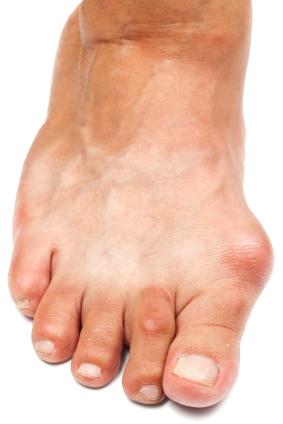
Bunion treatment does not always start with surgery
Many patients first want practical ways to reduce pain and shoe pressure.
What non-surgical treatment cannot do
- It does not remove the bony prominence
- It does not permanently realign the joint
- It may not fully stop progression in every case
- It may become less effective if the bunion becomes more advanced
Why an assessment still matters
Two people can both have bunions but need different treatment. One may mainly have shoe pressure and rubbing. Another may have progressive deformity, second-toe crowding, or a bigger mechanical issue. Proper assessment helps work out which conservative options are actually worth trying.

How we approach non-surgical bunion treatment at Medifoot Clinic
We assess where the pressure is occurring, how the bunion behaves in shoes, whether foot mechanics are contributing, and whether nearby toes or callus areas are also being affected. This helps guide a more practical treatment plan rather than relying on generic advice alone.
In many cases, conservative care is about improving comfort, reducing flare-ups, and helping you stay functional in daily life.
When to see a podiatrist
- If the bunion is painful in shoes or after walking
- If you want to try treatment before considering surgery
- If the main issue is rubbing, redness, swelling, or callus
- If you are unsure whether footwear or orthotics may help
- If nearby toes are starting to crowd or become irritated
Non-surgical bunion treatment in Craigieburn & Gladstone Park
We help assess which conservative options may realistically improve comfort, reduce pressure, and make the bunion easier to manage.
Related bunion guides
- Bunions — overview of causes, progression, and treatment pathways
- Painful bunion — when the bunion is irritated, inflamed, or difficult to manage in shoes
- Bunion getting worse — signs the bunion is becoming more prominent or affecting nearby toes
- Shoes for bunions — footwear features that may reduce pressure over the joint
- Bunion surgery vs conservative treatment — how to think about whether conservative care is still enough or whether it may be time to consider surgical opinion
Do I need surgery if I have a bunion?
Not always. Many people first try conservative treatment, especially when the main issues are shoe pressure, rubbing, swelling, or manageable pain. Surgery is usually considered later when symptoms remain significant or the deformity becomes harder to manage.
- Shoe pressure and rubbing may respond to conservative care
- Padding and footwear changes may improve comfort
- Orthotics may help when foot mechanics are part of the problem
- Assessment helps decide whether non-surgical options are realistic
The key question is not just “Do I have a bunion?” but “What is actually driving the symptoms right now?”
FAQs
Can bunions be treated without surgery?
Symptoms can often be managed without surgery, especially when the main problem is shoe pressure, rubbing, or mild to moderate pain.
Can orthotics fix a bunion?
No, orthotics do not remove the bunion, but they may help reduce stress through the area in some patients.
Can wider shoes help a bunion?
Yes, wider shoes often reduce direct pressure on the bunion and may improve comfort.
Can padding help a bunion?
Simple protective padding may help reduce rubbing and irritation in shoes.
Does non-surgical treatment remove the bunion?
No. Conservative treatment manages symptoms rather than removing the bony prominence.
When is surgery considered for a bunion?
Usually when symptoms remain significant, function is affected, and conservative options are no longer enough.
Can conservative treatment stop a bunion getting worse?
It may help reduce stress and improve function, but it does not guarantee the bunion will stop progressing.
Should I try conservative treatment first?
In many cases, yes — especially if surgery is not something you want to consider straight away.