Diabetes, Calluses, Corns and Pressure Areas
Calluses, corns, and pressure areas are common foot problems. In people with diabetes, they need closer attention because they can place extra stress on the skin and increase the risk of breakdown.
What may seem like simple hard skin can sometimes indicate underlying pressure that needs to be managed properly. For a broader overview of diabetes-related foot care, you can also visit our diabetes foot assessment page.
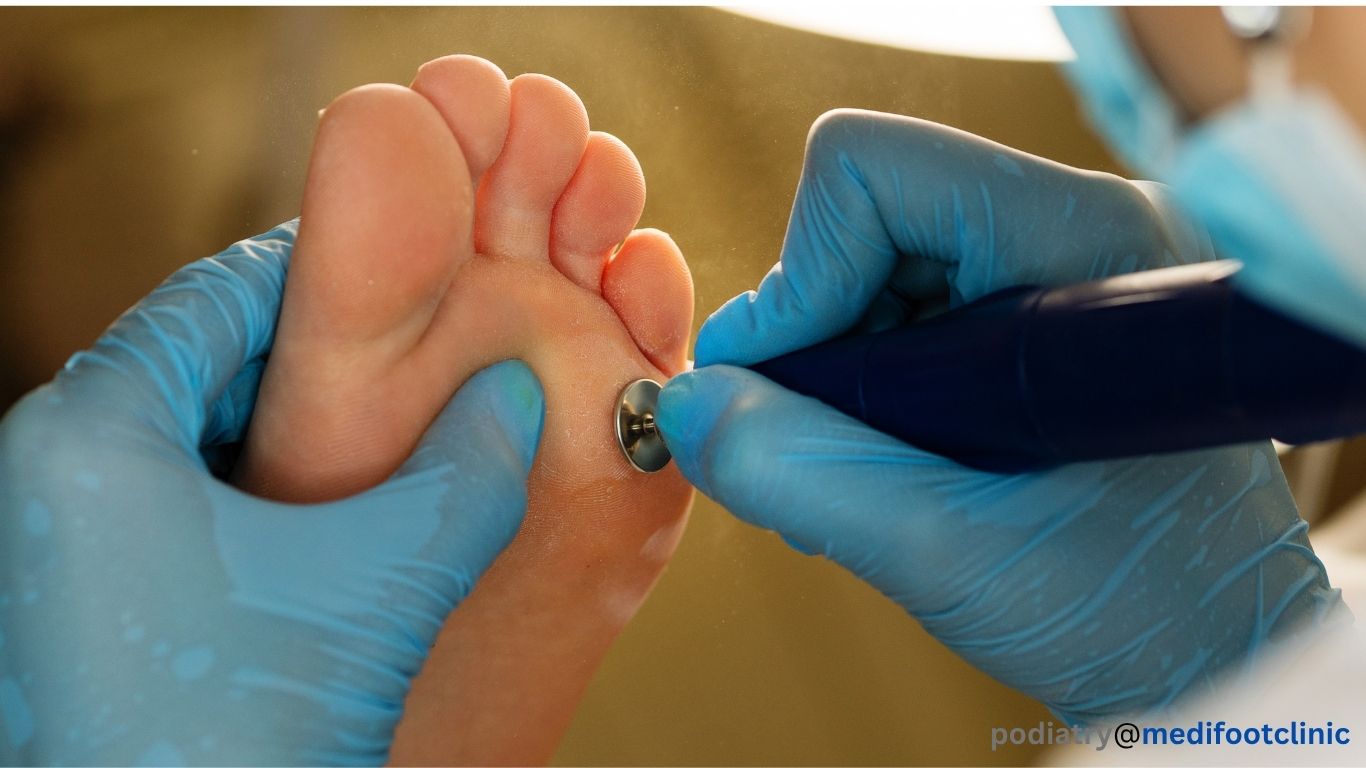
What are calluses, corns and pressure areas?
Calluses and corns develop when the skin thickens in response to repeated pressure or friction. They often appear on weight-bearing areas such as the ball of the foot, heel, or toes.
In many people, hard skin is simply a response to load or rubbing. In diabetes, however, it deserves more attention because thickened skin can increase stress on the tissue underneath and may contribute to foot ulcer risk if it is left unmanaged.
Why they matter more in diabetes
In diabetes, pressure areas can become more significant. Thickened skin can increase pressure underneath, which may lead to skin breakdown if not managed properly.
When combined with reduced sensation or circulation changes, the risk of complications can increase. If you do not feel pressure building up because of diabetic neuropathy, or if healing is slower because of circulation problems, small areas of stress may deserve earlier care.
Signs to watch for
- Hard skin building up over pressure points
- Pain or discomfort when walking
- Redness or darkened areas under callus
- Cracks forming in thickened skin
- Changes in skin around pressure areas
Even if there is little pain, callus or corns can still matter in diabetes. Reduced sensation can make it easier to miss a problem until the skin is already under too much stress.
How pressure links to other diabetes foot risks
Pressure areas are often part of a broader pattern. Reduced feeling may make it harder to notice pressure building up, while circulation changes can affect healing if the skin breaks down.
This is one reason a structured diabetes foot check can be so useful. It helps identify not only hard skin, but also footwear issues, pressure distribution, sensation changes, and other risk factors that may need attention.
If cracks, fungal nails, or thick nails are also part of the picture, those changes can add to rubbing and skin stress. You can read more on our diabetes skin and nail problems page.
Understanding your diabetes foot health
- Start with a diabetes foot assessment
- Learn what happens during a diabetes foot check
- Reduced sensation plays a role – see diabetic neuropathy
- Circulation also matters – read about poor circulation
- Understand risk of foot ulcers
- Skin and nail changes can add to pressure and rubbing – see our diabetes skin and nail problems page
- For broader hard skin care, visit our corns and calluses page
When to see a podiatrist
- If callus is building up quickly
- If there is pain or pressure when walking
- If skin is cracking or changing colour
- If you are unsure how to manage pressure areas
If you have diabetes, it is better to have pressure areas checked early rather than wait for skin changes to worsen.
Frequently asked questions
Are calluses dangerous in diabetes?
They can increase pressure and should be monitored to reduce the risk of skin breakdown.
Can I treat callus myself?
Basic care may help, but professional assessment is important if you have diabetes.
Why do corns form?
Corns form due to repeated pressure or friction, often from footwear or foot mechanics.
Do pressure areas lead to ulcers?
They can contribute if not managed properly, especially when combined with other risk factors.
Foot care for diabetes in Craigieburn & Gladstone Park
We help patients across Melbourne’s north manage pressure areas, reduce risk, and maintain foot health.
Podiatrists near Craigieburn & Gladstone Park
We assess circulation, sensation, skin and pressure areas to help prevent complications and keep your feet healthy with diabetes.